
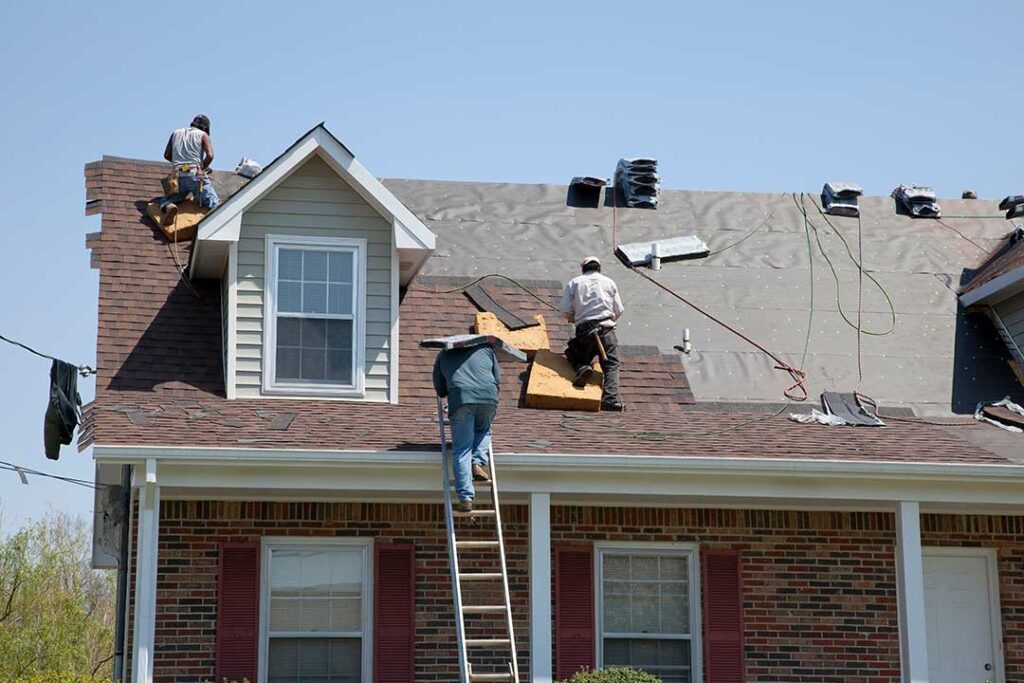
What’s the Real Difference Between Re-Roofing and Roof Replacement?
The terms “re-roofing” and “roof replacement” are often used interchangeably by homeowners, but they refer to two distinct methods of addressing aging or damaged roofing. In Ballston Spa, NY, understanding the difference can help residents make informed, cost-effective choices best suited to local weather and housing styles.
Re-roofing typically means adding a new layer of shingles on top of an existing roof, provided the underlying structure is still in good condition. Roof replacement, on the other hand, involves tearing off the old roofing materials entirely and installing a brand-new roofing system, including underlayment and, if needed, new decking.
When Is Re-Roofing a Practical Option?
Re-roofing is a practical and less expensive option for homes whose roofs are showing surface-level wear but do not have significant underlying damage. In Ballston Spa, re-roofing is often used to quickly address leaks or extend roof life before harsher winter weather arrives, so long as:
- Only a single layer of shingles currently exists (local building codes typically don’t allow more than two).
- Decking and underlayment remain sound—no signs of water, rot, or sagging support structures.
- The roof has not experienced severe storm or ice dam damage, which can be more common after strong nor’easters or heavy snow.
Local examples include asphalt shingle homes, which make up much of the area’s housing stock. Re-roofing may also be chosen to quickly restore curb appeal before selling a house, though possible buyers may look closely at the roof’s true lifespan.
What Does a Full Roof Replacement Involve?
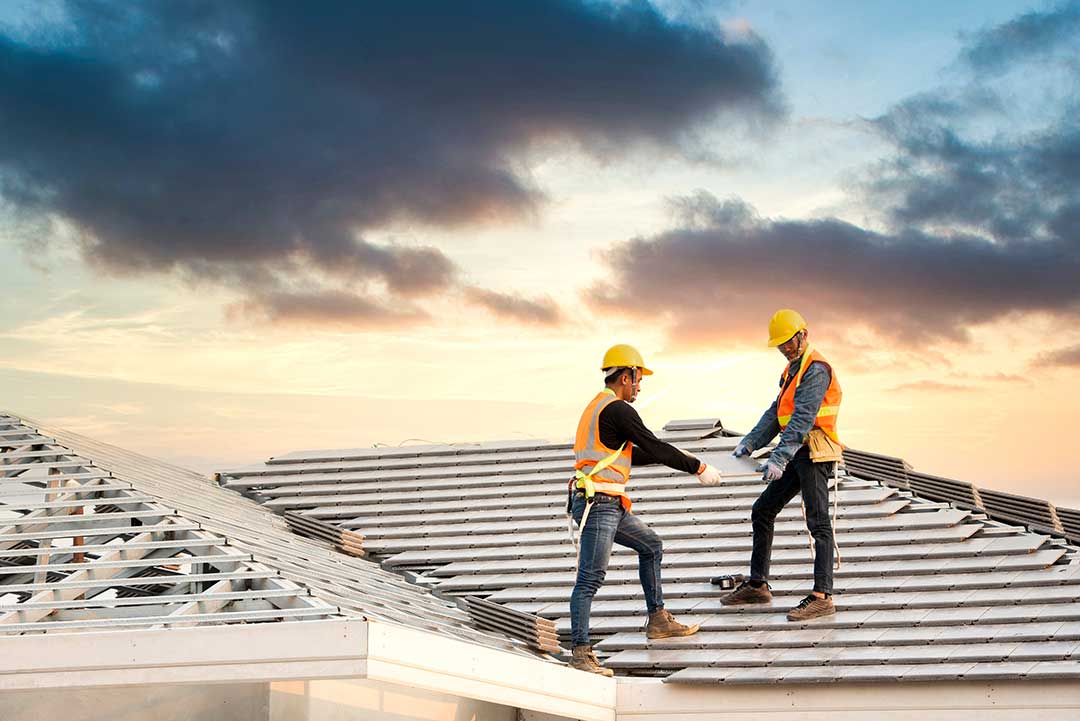
A full roof replacement starts with the complete removal of existing roofing layers, right down to the roof deck. This method allows for inspection and repair of underlying wood, ventilation upgrades, and installation of new underlayment, flashing, and shingles.
This approach is almost always required in these situations:
- More than one layer of shingles is present.
- The roof deck shows signs of structural problems (such as soft spots, sagging, or rot).
- There are widespread leaks, mold, or severe storm damage, often after freeze-thaw cycles or hail.
- Upgrading to a different roofing material (e.g., switching from asphalt to metal for better snow shedding).
In Ballston Spa’s climate, full replacement allows residents to address past snow or water intrusion issues and add new ice and water shields designed for the region’s freeze-thaw cycles.
How Do Costs and Timelines Compare?
Re-roofing is generally quicker and less costly because it minimizes labor and disposal requirements. Most projects can be completed within a day, barring weather interruptions.
Roof replacement, due to the removal and full-system rebuild, takes longer—often several days depending on roof size and complexity. Costs rise due to added materials, labor, disposal fees, and any wood repairs uncovered during the process.
Homeowners should consider not just initial cost but long-term value: a new roof may be more costly up front, but it can add years of trouble-free protection, while re-roofing may only buy time if underlying issues exist.
Is One Option Better for Local Roof Types and Weather?
The best choice often depends on the age and construction of your home, local code regulations, and exposure to weather extremes. In Ballston Spa, snow accumulation, ice damming, and humidity can test roofs, especially if ventilation or flashing isn’t up to modern standards.
For older homes with a single shingle layer still in good shape, re-roofing may serve as a cost-effective short-term fix ahead of heavy winters. However, if roofs frequently develop ice dams or have areas of chronic leaks, replacement allows for modern moisture barriers and stronger decking, ultimately providing a more durable solution in the city’s mixed climate.
What Common Misconceptions Should Local Residents Be Aware Of?
A few frequent misunderstandings can lead to costly mistakes:
- Re-roofing isn’t a cure-all: It doesn’t address hidden leaks, rotted decking, or ventilation problems—issues common in older Ballston Spa homes after tough winters.
- Local codes may limit roof layers: Most building regulations in the area won’t permit a second re-roof over two existing shingle layers.
- Roof replacement isn’t always disruptive: Many residents worry about the mess or timeline, but with proper preparation, a replacement can be managed efficiently, even in denser parts of the community.
How Should Homeowners Decide Which Option to Choose?
Start with a thorough inspection. Regular self-checks of attics for moisture, visible sagging, or daylight through decking help spot deeper problems. In Ballston Spa, the freeze-thaw cycle and summer humidity can hasten roof wear, so it’s wise to look for soft spots or streaks of water after storms.
Choose re-roofing if:
- The existing roof is nearing the end of its life but doesn’t leak or sag.
- There’s only one layer of shingles.
- There are no signs of mold, extensive moss, or trapped moisture.
Opt for a full replacement if:
- Leaks appear in multiple places, especially after ice events.
- The roof’s structure seems compromised or feels “spongy.”
- Long-term plans call for energy efficiency improvements that require new underlayment or ventilation.
Clear, weather-appropriate maintenance and careful attention to local building codes provide the best chance for a roofing project to stand up to Ballston Spa’s seasonal swings—ensuring roofs shelter area households safely through many more years.
