
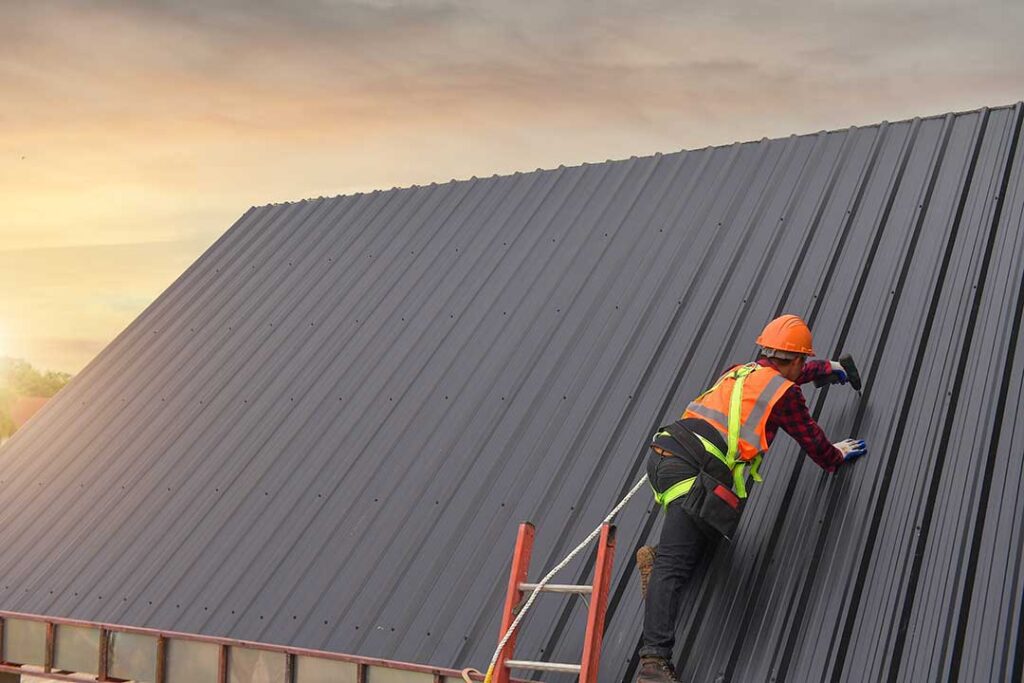
A typical residential roof lasts about 15 to 30 years, depending on the roofing material, installation quality, ventilation, maintenance, and exposure to weather. In Ballston Spa, NY, seasonal temperature changes, winter snow, ice, wind, and repeated freeze-thaw cycles can affect how quickly roofing materials age.
Roof age is useful, but it should not be the only factor used to judge its condition. A well-maintained roof may perform beyond its expected service range, while a newer roof can develop problems early if it was poorly installed, inadequately ventilated, or exposed to severe weather.
How long do common roofing materials last?
The expected lifespan varies substantially by material. These ranges are general estimates for properly installed roofing under ordinary conditions:
- Three-tab asphalt shingles: About 15 to 20 years
- Architectural asphalt shingles: About 20 to 30 years
- Premium or impact-resistant asphalt shingles: Often 25 to 40 years, depending on the product and exposure
- Wood shingles or shakes: Approximately 20 to 30 years with regular maintenance
- Metal roofing: Commonly 40 to 70 years
- Slate roofing: Often 75 years or longer
- Synthetic roofing materials: Frequently 30 to 50 years, depending on composition and product quality
These are not guarantees. A roof’s actual service life can be shorter or longer than the published expectation. Local weather exposure, attic conditions, roof slope, nearby trees, and maintenance habits all make a difference.
What affects roof life in Ballston Spa?
The local climate creates several types of stress for residential roofing. Snow can remain on a roof for extended periods, adding weight and keeping surfaces damp. Ice can form along eaves when heat escapes from the attic and melts snow above colder roof edges.
Freeze-thaw cycling is another concern. Water can enter small cracks or openings, freeze, expand, and gradually enlarge the damaged area. Repeated cycles may affect shingles, flashing, masonry around chimneys, and sealants.
Other factors include:
- Strong wind that lifts or loosens shingles
- Summer sunlight that dries and weakens asphalt materials
- Moisture from poor attic ventilation or indoor air leakage
- Shade from trees that slows drying after rain or snow
- Falling branches or rubbing limbs
- Moss or organic debris that holds moisture against the roof
- Snow and ice removal practices that scrape or damage shingles
The same type of roof can last different lengths of time on two nearby homes because the buildings may have different sun exposure, roof shapes, attic ventilation, or maintenance histories.
Does an older roof always need to be replaced?
No. Age is a warning to inspect more carefully, not an automatic replacement order. A 22-year-old architectural shingle roof may still be functioning well if it has been maintained and shows limited wear. A 10-year-old roof may need substantial repairs if it has experienced wind damage, installation defects, or persistent moisture problems.
A roof near the end of its expected lifespan deserves closer monitoring. Look for a pattern of problems rather than relying on a single isolated defect. Replacing one damaged shingle may be reasonable when the surrounding materials remain flexible and intact. Repeated leaks, widespread deterioration, or brittle shingles suggest that limited repairs may no longer provide a lasting solution.
What are the clearest signs of roof aging?
Visible wear often develops gradually. Common warning signs include:
- Shingles that are curling, cracking, blistering, or missing
- Granules collecting in gutters or at the base of downspouts
- Dark streaks, moss, or algae growth that remains damp
- Exposed underlayment or roof decking
- Rusted, loose, or deteriorated flashing
- Sagging areas along the roof surface or roofline
- Water stains on ceilings or upper walls
- Damp insulation or musty attic odors
- Daylight visible through the roof deck
- Repeated leaks after rain, snow, or ice
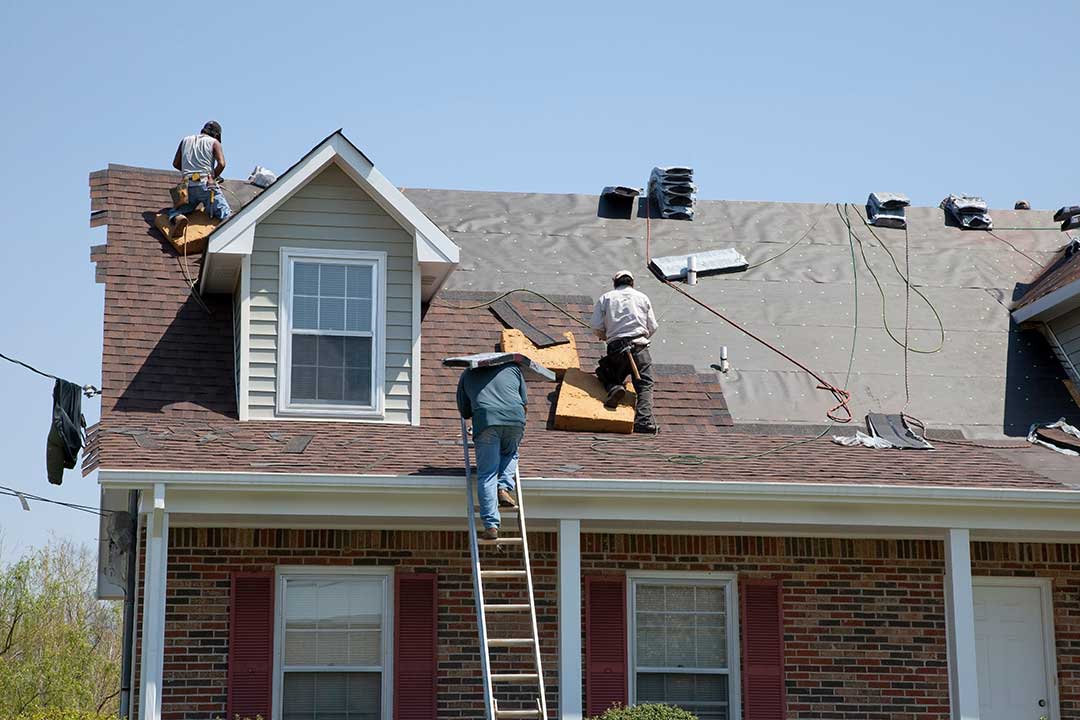
A few dark streaks do not necessarily mean the roof has failed. Cosmetic staining and structural damage are different issues. However, persistent moisture, soft decking, or interior staining should not be ignored.
How does attic ventilation affect roof lifespan?
Proper attic ventilation and insulation can help roofing materials last closer to their expected range. During winter, warm indoor air can move into an underinsulated attic and heat the underside of the roof. That heat may contribute to uneven snow melting and ice formation at the eaves.
During summer, trapped heat can accelerate the aging of asphalt shingles and raise indoor cooling demands. Ventilation does not eliminate every ice problem, but balanced airflow and effective air sealing can help maintain more consistent roof temperatures.
Ventilation should not be judged by the presence of one vent alone. The attic needs an appropriate balance of intake and exhaust airflow, along with insulation that limits heat transfer from the living space.
How often should a roof be checked?
A practical routine is to inspect the roof and attic at least twice a year, commonly in spring and fall. Additional checks are sensible after high winds, heavy snowfall, ice accumulation, or a nearby fallen branch.
A ground-level inspection can identify obvious changes without creating fall risk. Binoculars may help reveal lifted shingles, damaged flashing, or sagging areas. Inside the home, inspect ceilings, upper walls, and attic spaces for stains or dampness.
Walking on a roof is hazardous and can damage aging shingles. Steep roofs, icy surfaces, and roofs with fragile materials should not be accessed casually. Safety concerns are a legitimate reason to have the condition evaluated by someone equipped to work safely.
Can roof maintenance extend its lifespan?
Routine maintenance can help prevent small issues from becoming major damage, although it cannot make an old roof new again. Keep gutters and drainage paths clear so water can leave the roof efficiently. Trim branches that touch or overhang the roof, and remove accumulations of leaves or other debris when it can be done safely.
After winter, check for displaced shingles, damaged flashing, and signs of ice-related leakage. Do not use sharp tools to break up ice, and avoid aggressive pressure washing, which can remove protective granules or damage surface materials.
Attic moisture should also be addressed. Bathroom and kitchen exhaust should discharge outdoors rather than into the attic, and insulation should not block designed ventilation openings.
Are roof repairs enough, or is replacement more practical?
Repairs are often appropriate when damage is limited to a small area and the rest of the roof remains in good condition. Replacement becomes more likely when problems are widespread, leaks recur in different locations, or the roofing material has become brittle and difficult to match.
A roof may also warrant replacement when the decking beneath it has extensive moisture damage or when repeated repairs cost more than they reasonably preserve. The decision should consider remaining service life, repair history, interior damage, and the roof’s ability to shed water—not just its appearance.
For most homes, the most useful answer is not a single age number. A typical roof lasts 15 to 30 years, but the condition of the materials and the way the roof has handled local weather provide a more accurate guide than age alone.
