

How Do Skylights Change Your Roof’s Structure?
Adding a skylight to your roof involves creating an opening in the roofing materials and underlying structure. This alters the way your roof distributes weight and can require changes to the framing around the new skylight. In Ballston Spa, NY, where many homes reflect traditional styles common in the Northeast, roof structures vary, and not all are equally suited to support skylights without extra reinforcement.
Roofs in the area often face snow loads in winter. Cutting through rafters or trusses for a skylight means a qualified installer must add framing (called a “cradle” or “header”) to redistribute the stresses without compromising the overall roof integrity. When this step is skipped or done improperly, it can affect both the stability and safety of the roof.
Are Skylights More Likely to Leak?
Because installing a skylight interrupts the typical layers of a roof—shingles, underlayment, and weather barrier—there is always a risk of leaks. In the Ballston Spa climate, which sees both heavy winter moisture and spring rains, water intrusion around skylights is a frequent concern, especially in older homes or after multiple freeze-thaw cycles.
- Proper flashing is essential: Metal flashing and sealants must be carefully layered and sealed around the skylight to guide water away.
- Routine inspection helps: Snow and ice buildup can stress sealants or flashing. Area homeowners benefit from a visual inspection each spring and after major storms.
- Misconception: Many assume leaks mean poor product quality, but installation technique and ongoing maintenance are usually the determining factors.
How Do Skylights Affect Energy Efficiency?
A skylight changes how much sunlight—and therefore heat—enters a home. In the sunny months, direct sunlight through a skylight can increase cooling costs. Conversely, during Ballston Spa’s cold winters, older or poorly insulated skylights may allow warm air to escape and let cold in.
- Modern units with double or triple-pane glass, low-E coatings, and insulated frames can reduce unwanted heat transfer compared to older single-pane versions common in some area homes.
- Proper placement matters: Locating skylights on north-facing slopes often reduces overheating in summer. South-facing skylights may add too much warmth unless shading is considered.
What Roofing Materials Work Best with Skylights?
Skylights can be installed on most roofing types common in Ballston Spa, including asphalt shingles, metal panels, and slate. However, the ease of integration and risk of leakage varies:
- Asphalt shingles: The most common in the area and relatively straightforward for skylight integration, provided step flashing is installed correctly.
- Metal roofs: Require specialized flashing kits to match the roof’s contours. Some standing-seam metal styles may present extra challenges.
- Slate or tile: More labor-intensive, and special care is needed to avoid damaging fragile tiles during installation or future maintenance.
Local households should remember that roofs nearing replacement age may be better candidates for skylight addition at the time of reroofing, as this allows for integrated flashing and weatherproofing.
How Does Local Climate Influence Skylight Performance?
The Ballston Spa region experiences significant temperature swings, seasonal snow loads, and occasional hailstorms. These conditions affect how skylights perform in several ways:
- Condensation is more common in cold months if the skylight is not well insulated or if indoor humidity is high.
- Ice damming around skylight wells may occur if attic insulation or venting is inadequate. Water trapped by ice can seep around skylight frames.
- Hail and wind-blown debris pose risks of glass breakage or frame damage, particularly on older skylights with standard glass.
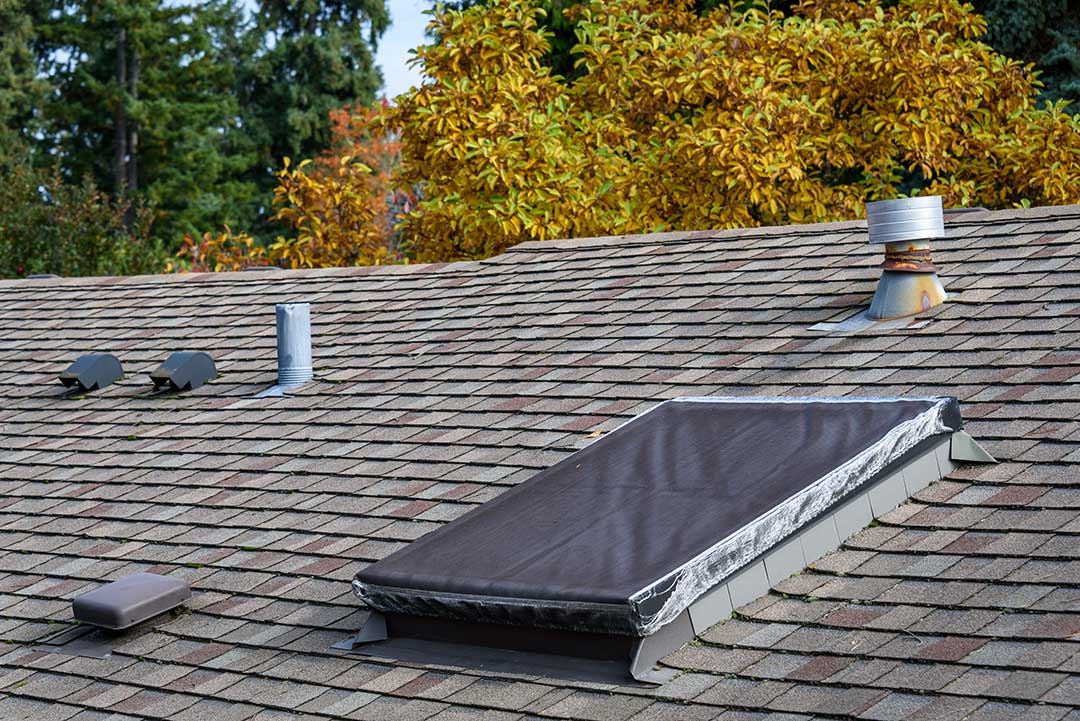
Selecting skylights rated for impact resistance and energy performance can help area homes withstand the weather, but existing roof insulation and ventilation are also part of the equation.
Can Installing a Skylight Shorten Roof Lifespan?
If installed and maintained properly, a skylight should not significantly shorten the lifespan of the surrounding roof. However, issues occasionally arise:
- Poor waterproofing can lead to wood rot around the opening, requiring partial roof repairs.
- Skylight flashing failures often result in localized shingle aging or algae/mold accumulation.
- Roof resurfacing around skylights is generally trickier, as roofers must integrate new material with the existing skylight opening.
It's a misconception that all skylights will "ruin" a roof; the main risks come from rushed or careless installation and missing routine checks on flashing and seals.
What Maintenance Is Required for Skylights?
Roof skylights require a bit more attention than the rest of the roof surface, especially in Ballston Spa’s mixed climate:
- Check seals, flashing, and the glass itself for cracks, fogging, or missing caulk each spring and fall.
- Remove leaves, branches, and snow from around skylights to prevent pooling and ice damming.
- Inspect interior drywall or ceiling around the opening for water stains.
- Use safe access and avoid standing or leaning directly on or beside skylight wells.
Simple steps like these can help residents avoid more significant repairs, limit water damage, and ensure the skylight does not compromise roof performance.
