
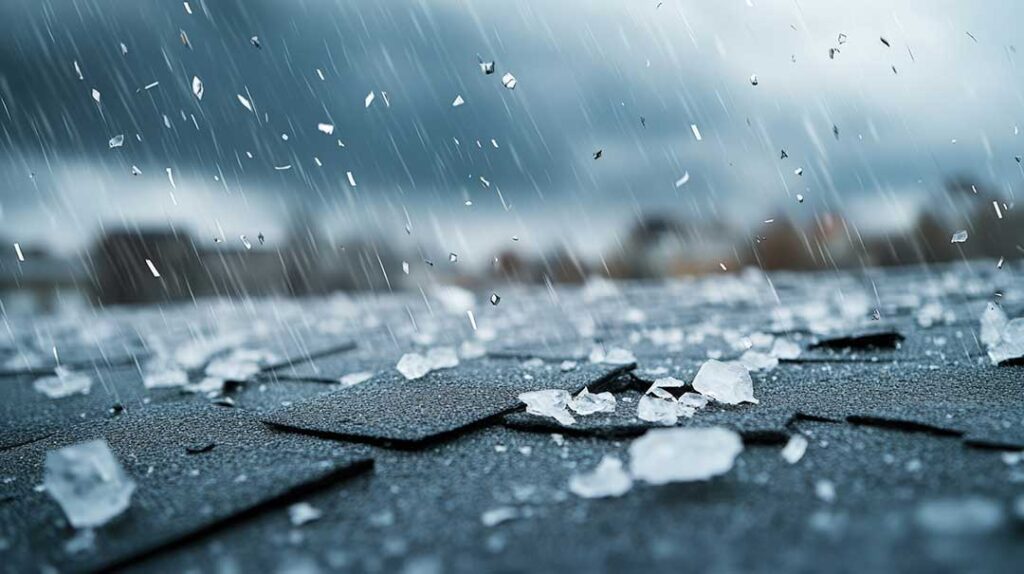
How Can Hail Impact Roofs in Ballston Spa, NY?
Hailstorms can arrive suddenly in Ballston Spa, especially during late spring and summer, bringing pellets of ice that batter homes. Roofs, as the first line of defense, often endure the brunt of this weather. Hail can harm different roofing materials in subtle or obvious ways. The type and extent of damage depend on factors like hailstone size, wind direction, roof pitch, and the age or material of the roof itself.
What Does Hail Damage Look Like on Asphalt Shingles?
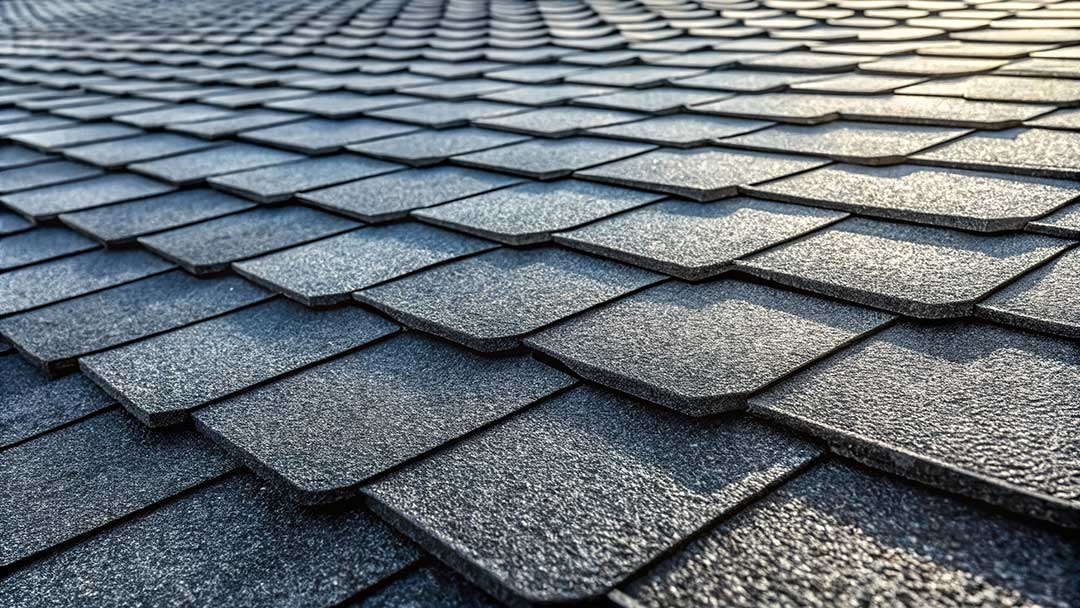
For many local homes, asphalt shingles are the most common roofing material. After a hailstorm, residents may notice:
- Dark spots or bruises: Areas that appear darker than the surrounding shingle, sometimes with a soft feel that suggests the protective granules have broken away.
- Loss of granules: Piles of sandy material collecting at the base of downspouts or gutters after a storm indicate granule loss. These granules shield shingles from UV rays and water damage, so their loss can shorten the roof’s lifespan.
- Visible cracks or splits: Large hailstones can hit with enough force to crack shingles, especially if the shingles are a few years old or already brittle.
- Circular or random patterns: Unlike more linear damage caused by tree limbs or consistent wind, hail damage tends to be clustered in random circular spots, reflecting the random distribution of falling hailstones.
In Ballston Spa, where tree cover may partially shield roofs, some sections might appear untouched while exposed areas show distinct damage.
How Do Metal and Slate Roofs React to Hail?
Homes with metal or slate roofs sometimes fare better against hail, but not always without issues.
- Metal roofs: Look for small, uniform dents, especially on ridge caps and flashing. While these dents may not cause immediate leaks, they can affect appearance and eventually weaken fasteners.
- Slate roofs: Check for cracked or broken tiles, which are especially common with larger hailstones. Fragments may collect in gutters or fall to the ground after a storm.
It’s worth noting that hail rarely penetrates through metal or slate, but weakened areas could become entry points for moisture if ignored.
Are There Less Obvious Signs of Hail Damage?
Some hail damage isn’t immediately clear from street level. Subtle indicators may only become noticeable weeks or months after a severe storm.
- Water spots on ceilings or attic insulation: Hidden roof leaks may develop if hail impact breaks the protective layers without immediate visible effect.
- Warped or raised shingles: Edges of shingles that lift slightly after hail exposure can allow water to seep in over time.
- Unexplained paint peeling or siding dents: Sometimes collateral signs on nearby gutters, downspouts, or siding hint at the severity of roof exposure, even if the roof looks undamaged.
Ballston Spa’s variable weather can make it difficult to attribute these issues definitively to hail, so residents often benefit from periodic roof checks, especially following severe local storms.
What Are Common Misconceptions About Hail Damage?
It's easy to mistake normal wear or unrelated roof problems for hail impact, leading to missed or misdiagnosed issues. Here are a few common misunderstandings:
- “All spots on shingles are hail damage.” Shingles naturally lose granules over time due to rain, sun, and age. Hail typically causes sudden, clustered, and circular granule loss rather than even thinning.
- “If you can’t see leaks, there’s no damage.” Hail may bruise or fracture the underlying layers of a shingle — problems that don’t cause leaks right away but can lead to future water damage.
- “Smaller hailstones can’t hurt roofs.” While large hailstones cause the most dramatic effects, even smaller pieces, if driven by high winds or falling repeatedly, can shorten a roof’s life over several years.
When Is It Safe to Inspect a Roof Yourself?
After a storm, many residents want to check their own roofs. Safety should be the first concern. It’s safer to inspect from the ground with binoculars or from a secure ladder if climbing is unavoidable. Factors to keep in mind:
- Wait until the roof and ground are fully dry to prevent slips.
- Avoid walking on steep or high roofs if you feel uncertain about footing.
- Take photos if you observe any unusual marks, dents, or scattered shingle fragments.
If the surface feels soft, unstable, or seems deeply punctured, additional steps might be needed to prevent further water intrusion until any repairs.
What Steps Should Local Households Take After Suspecting Hail Damage?
If hail has recently swept through the area and you notice any of the warning signs described above:
- Document visible damage by taking clear photos from multiple angles.
- Check attic spaces for signs of moisture or new water stains.
- Remove debris from gutters to prevent water backup, making it easier to spot granule loss.
- Monitor ceilings over the next several weeks for new spotting or discoloration.
In Ballston Spa, older homes and homes with mature trees nearby can have unique vulnerabilities, so it’s useful to compare your roof to neighbors’ roofs when safe to do so—sometimes what looks like isolated damage is actually widespread in the neighborhood.
Could Hail Damage Affect Home Insurance or Future Roof Life?
Hail-related issues, if left undetected, can potentially complicate insurance claims down the road and may lead to greater repair costs. Most local insurance policies consider hail an “act of nature,” but they may expect homeowners to report and document damage promptly. Timely attention is especially important for older roofs or those nearing replacement age, as lingering hail damage can accelerate aging and reduce overall lifespan.
