

What Is Roof Underlayment and Why Does It Matter?
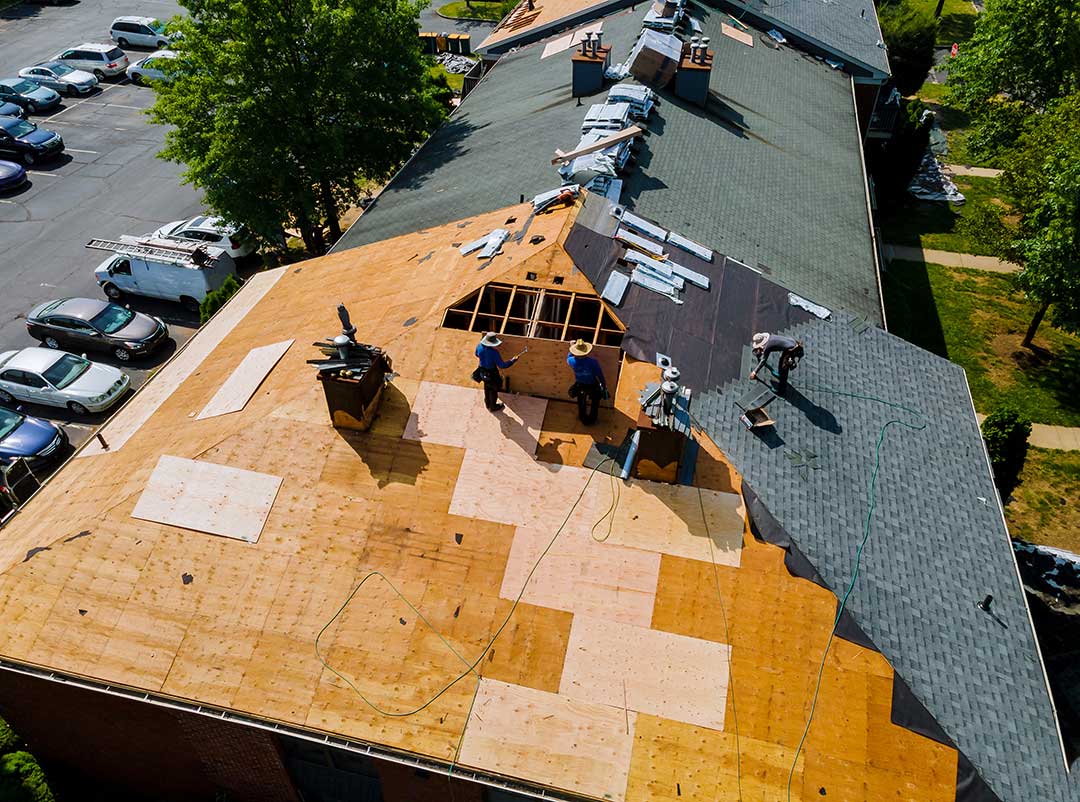
Roof underlayment is a protective layer installed between your roof deck (typically plywood) and the roofing material, like shingles. This barrier adds a crucial line of defense against water, ice, and wind, helping homes in Ballston Spa manage the region’s weather cycles and preserve long-term roof integrity.
In this area, where winters bring heavy snow and summers can deliver heavy downpours, underlayment plays a significant role in preventing leaks and structural damage caused by trapped moisture. It acts as a backup layer, ensuring that if shingles are blown off or water infiltrates, there’s still a protective shield in place.
What Types of Roof Underlayment Are Commonly Used Locally?
There are three core types: asphalt-saturated felt, synthetic (plastic-based) sheets, and self-adhering membranes.
- Asphalt-saturated felt: Once the standard, this traditional black paper-like underlayment is still found on many older homes and is valued for affordability. However, it can deteriorate under frequent freeze-thaw cycles.
- Synthetic underlayment: Increasingly popular in the local region, this lightweight, flexible material resists tearing in strong winds and is typically more water-resistant than felt. Its durability is a practical match for Ballston Spa’s changing temperatures and seasonal storms.
- Self-adhering membranes (ice and water shield): Used around eaves, valleys, and low-slope areas, these peel-and-stick products provide added protection against ice dams—an issue for households where roof edges experience significant freeze and thaw.
Many area homes now use a combination, especially where severe winters call for extra precautions along edges and valleys.
Is Underlayment Required by Local Building Codes?
For Ballston Spa residents, local building codes align with New York State requirements, which generally mandate underlayment beneath shingle roofs.
Specifically:
- Two layers of underlayment are typically required for low-slope roofs (defined by the slope pitch).
- Ice barrier membranes are often required along the lower roof edge (eaves) for roof areas prone to ice buildup. This is especially relevant after heavy snowfalls and freeze-thaw cycles, which are common in the region.
Failing to follow code not only risks water intrusion but can also lead to issues with home insurance or future sales of the property.
How Does Underlayment Protect Against Ballston Spa’s Climate?
Underlayment is crucial for local homes facing ice dams, wind-driven rain, and snowmelt. Here’s how:
- Ice dams: When snow on the roof melts then refreezes at the edge, water backs up and can creep under shingles. A waterproof underlayment stops this trapped water from seeping into the house.
- Wind-driven rain: The city is no stranger to strong wind events or sideways rain during a storm. Underlayment creates a moisture barrier even if the roofing material momentarily lifts or shifts.
- Seasonal extremes: Temperature swings can make shingles brittle and cause thermal movement. Synthetic underlayments, in particular, withstand expansion and contraction without breaking down.
This hidden layer is a critical factor in extending a roof’s lifespan in Ballston Spa’s variable climate.
Do All Roofs Need the Same Underlayment?
Not always. Local housing styles, roof pitch, and even attic ventilation affect the type and configuration of underlayment needed.
- Steep-slope roofs with good drainage may use synthetic underlayment for durability and ease of installation.
- Older homes with low-slope areas can benefit from additional ice and water shield installations.
- For heated homes with poorly vented attics, adding more robust waterproof membranes around roof penetrations and valleys can compensate for higher condensation risks.
It’s a common misconception that more underlayment is always better. Overlapping multiple layers where it’s not required can trap moisture and actually increase decay risk beneath the roof.
What Are Signs of Underlayment Failure?
Homeowners sometimes overlook the clues that underlayment has reached the end of its effective life. Watch for:
- Water stains on ceilings—often near exterior walls or roof valleys
- Musty odors in attic spaces or visible mold/mildew on attic wood
- Shingle tabs that curl, lift, or fall off unexpectedly
- Ice dams forming even with clear gutters
Since underlayment usually isn’t visible without removing shingles, these secondary signs signal the need for a closer inspection.
Can Underlayment Be Replaced Without a Full Roof Replacement?
Generally, underlayment is replaced during a full roof tear-off, as it sits under the main roofing material. For spot repairs, removing shingles from problem areas makes it possible to replace compromised underlayment in a localized zone—such as a leaky valley or below a failing chimney flashing.
Attempting to slide new underlayment beneath existing shingles over large areas is rarely effective. In some cases, targeted repairs can hold off the need for a full replacement, but broad underlayment failure usually means a full reroof is warranted.
Are There Local Considerations When Choosing Underlayment?
The area’s wet winters, spring thaws, and the occasional severe summertime storm increase the value of quality underlayment, especially on older homes and additions with complicated roof angles. In neighborhoods with mature trees, fallen debris can increase the risk of shingle punctures—making the backup protection underlayment provides even more important.
Weather resistance and code compliance are top priorities. Residents planning renovations or new construction should always check that building permits reflect both type and placement of underlayment required in the city.
