
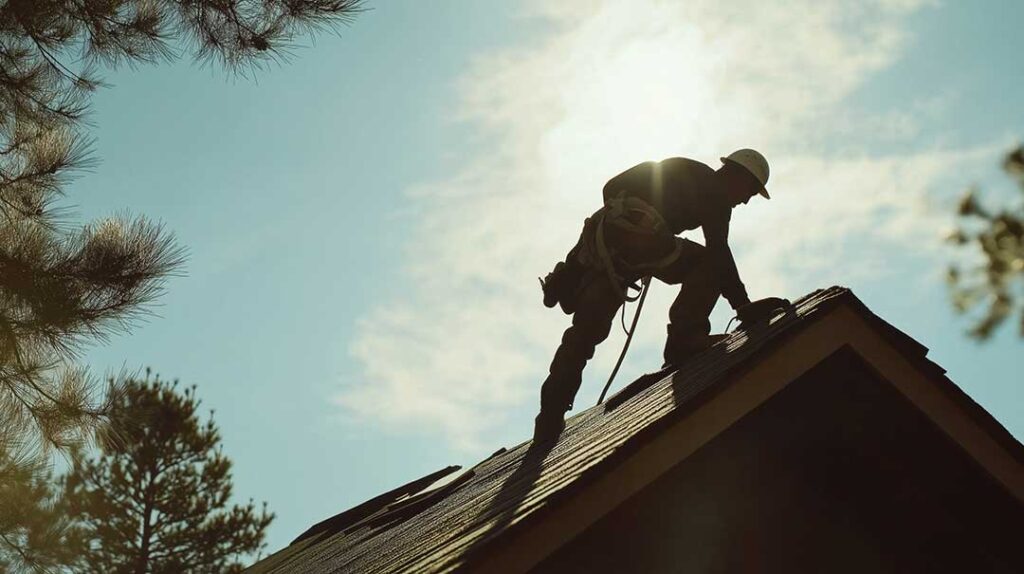
Roofing technology is changing in practical ways. Newer systems can improve energy performance, manage rainwater, support solar power, detect moisture earlier, and handle changing weather conditions more effectively. For households in Ballston Spa, the most useful innovations are those that address snow, freeze-thaw cycles, summer heat, ice formation, and the long service life expected from a roof replacement.
Technology does not eliminate the need for sound design and installation. A high-performance material can still fail if the roof deck, flashing, ventilation, drainage, or underlayment is poorly suited to the building.
What roofing technologies are becoming more common?
The biggest changes involve better materials, improved monitoring, and roof assemblies designed to work as complete systems rather than as a surface covering alone.
Current innovations include:
- Solar-reflective shingles and metal roofing
- Synthetic underlayments and improved ice-barrier membranes
- Building-integrated photovoltaic roof coverings
- Smart sensors that monitor moisture or temperature
- Cool-roof coatings and membranes
- Green-roof systems for selected low-slope buildings
- More detailed digital inspection and roof-measuring tools
The 2025 Residential Code of New York State recognizes a broad range of roof coverings, including metal panels, thermoplastic membranes, liquid-applied coatings, photovoltaic systems, and building-integrated photovoltaic roof coverings. It also addresses flashing, drainage, insulation, wind resistance, and roof-mounted solar installations as parts of the roof assembly. ([dos.ny.gov](https://dos.ny.gov/nys-residential-code-noa-7242025?utm_source=openai))
Are cool roofs useful in a cold climate?
Cool roofs can reduce summer heat gain, but their value in Ballston Spa depends on the building, roof color, insulation, and balance between heating and cooling loads. They should not be treated as an automatic energy-saving upgrade for every home.
A cool roof uses surfaces with higher solar reflectance and thermal emittance. These properties help the roof absorb less heat during sunny weather. The U.S. Department of Energy notes that cool roofing products are available for both low-slope and steep-slope roofs, including some asphalt shingles, metal products, membranes, coatings, tile, and other materials. ([energy.gov](https://www.energy.gov/sites/default/files/2021-08/ES-CoolRoofs_080921.pdf?utm_source=openai))
For local homes, the practical question is not simply whether a roof is light or dark. It is whether the roof’s energy performance fits the building. A well-insulated attic may reduce the benefit of changing roof color, while a poorly insulated upper floor may continue to overheat even with a reflective roof.
Cool roofing can also have a winter tradeoff because reflecting sunlight may reduce passive solar warming. Energy savings are generally more noticeable in warmer climates, so a cold-climate decision should consider the entire roof assembly rather than relying on a product label alone. ([energy.gov](https://www.energy.gov/cmei/femp/purchasing-energy-efficient-cool-roof-products?utm_source=openai))
How are new materials helping roofs handle snow and ice?
Modern roofing systems increasingly focus on layered protection. The visible shingles or panels are only one part of the assembly. Underlayment, flashing, ventilation, insulation, and water-shedding details determine how the roof responds to snow, wind-driven rain, and ice.
Synthetic underlayments are often lighter and more tear-resistant than older felt products. Some newer membranes are designed to seal around fasteners or provide stronger protection in vulnerable areas. Ice-barrier materials can help protect eaves and roof-wall intersections where melting snow may refreeze.
These products do not make a roof immune to ice dams. Ice dams are often linked to uneven roof temperatures, air leakage from the living space, inadequate insulation, blocked drainage, or snow conditions. Better technology works best when paired with air sealing, proper attic insulation, balanced ventilation, and correctly installed flashing.
The state residential code specifically requires flashing at roof-wall intersections, changes in roof direction, roof openings, and other locations where water could enter the building. ([dos.ny.gov](https://dos.ny.gov/nys-residential-code-noa-7242025?utm_source=openai))
Can solar roofing be integrated into the roof itself?
Yes. Photovoltaic systems can be installed above an existing roof covering, while building-integrated photovoltaic systems function as part of the roof covering itself.
Integrated systems may provide a cleaner visual appearance and combine electricity generation with weather protection. However, they require careful attention to fire classification, structural loading, wiring, flashing, drainage, and future maintenance. The state code identifies requirements for both rooftop-mounted photovoltaic systems and building-integrated photovoltaic roof coverings. ([dos.ny.gov](https://dos.ny.gov/nys-residential-code-noa-7242025?utm_source=openai))
For an older house, the condition of the roof deck matters before solar equipment is added. Installing new technology over a roof nearing the end of its service life can create a more complicated repair problem later. Solar equipment also needs to be considered alongside snow accumulation, roof orientation, shade, and access for maintenance.
What are smart roofing sensors?
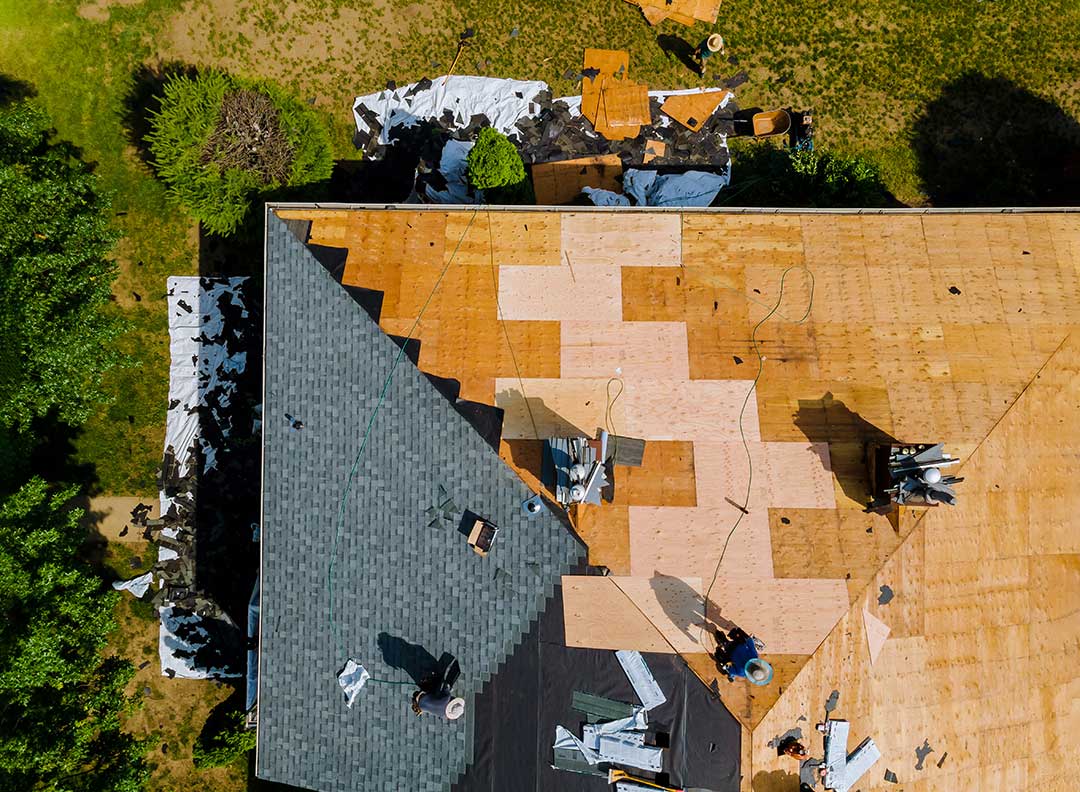
Smart roofing sensors are small devices that can detect conditions such as moisture, temperature, humidity, or unusual water movement. They are more common in commercial and low-slope roofing, but the underlying idea is useful for any building: finding a small leak before it becomes a large interior repair.
Sensors may be placed near drains, roof penetrations, insulation layers, or other areas with a higher risk of moisture intrusion. Some systems send alerts when readings change. A sensor cannot repair a roof or identify every possible failure, but it can provide earlier warning than waiting for a ceiling stain.
For residential use, this technology is most practical where a building has a low-slope roof, valuable stored contents, a finished attic, or a history of difficult-to-locate leaks. Routine visual inspections remain necessary because sensors do not replace examination of flashing, shingles, gutters, or roof edges.
Are green roofs practical for local homes?
Green roofs use growing media and plants above waterproofing, drainage, and root-barrier layers. They can absorb rainfall, reduce roof temperatures, and provide insulation benefits. The U.S. Environmental Protection Agency notes that a green roof must be designed for the weight of fully saturated materials. ([epa.gov](https://www.epa.gov/soakuptherain/soak-rain-green-roofs?utm_source=openai))
For many single-family homes, a full green roof is not a simple retrofit. The roof structure may need reinforcement, and the waterproofing system must be designed for long-term exposure to moisture and roots. Snow, saturated soil, drainage, plant maintenance, and safe access also require planning.
A small rooftop planting system should never be added simply because a flat roof appears to have unused space. Structural capacity and drainage must be evaluated first. In many cases, rain gardens, planted areas, or other ground-level stormwater features may provide similar environmental benefits with less structural complexity.
Which innovations matter most during a roof replacement?
The most valuable improvement is often not the newest visible product. It may be a better-designed roof assembly that includes:
- Reliable water-shedding details at walls, valleys, chimneys, and skylights
- Adequate attic insulation and controlled ventilation
- Properly installed ice-barrier protection at vulnerable edges
- Durable underlayment matched to the roof covering
- Correct drainage and gutter planning
- Materials rated for the roof’s slope, exposure, and weather conditions
- Clear compatibility between roofing, solar equipment, and future repairs
New York’s 2025 Uniform Code and Energy Code became fully effective on December 31, 2025, although certain provisions remain subject to specific legal developments. Roofing work should therefore be evaluated under the code requirements that apply to the project and its permit date. ([dos.ny.gov](https://dos.ny.gov/division-building-standards-and-codes-frequently-asked-questions?utm_source=openai))
For area households, the best technology is usually the option that solves a specific problem: excessive attic heat, recurring ice-related leakage, difficult moisture detection, poor drainage, or the need to coordinate a roof with solar equipment. A roof does not become high-performing because it contains a new material. It performs well when its materials, structure, ventilation, drainage, and installation details work together.
